|
About |
Patrick Giguère, musician, composer
|
||||||||
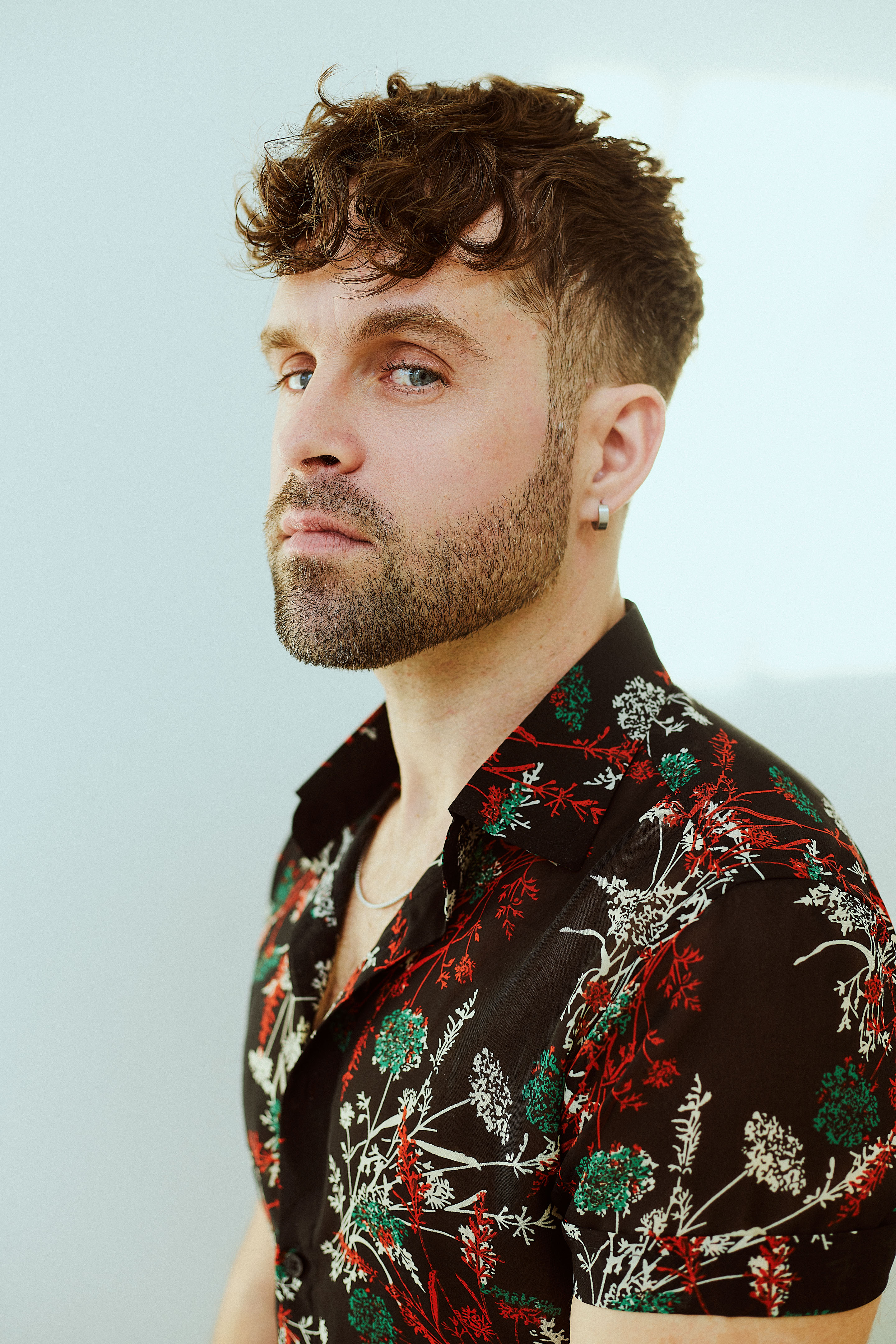
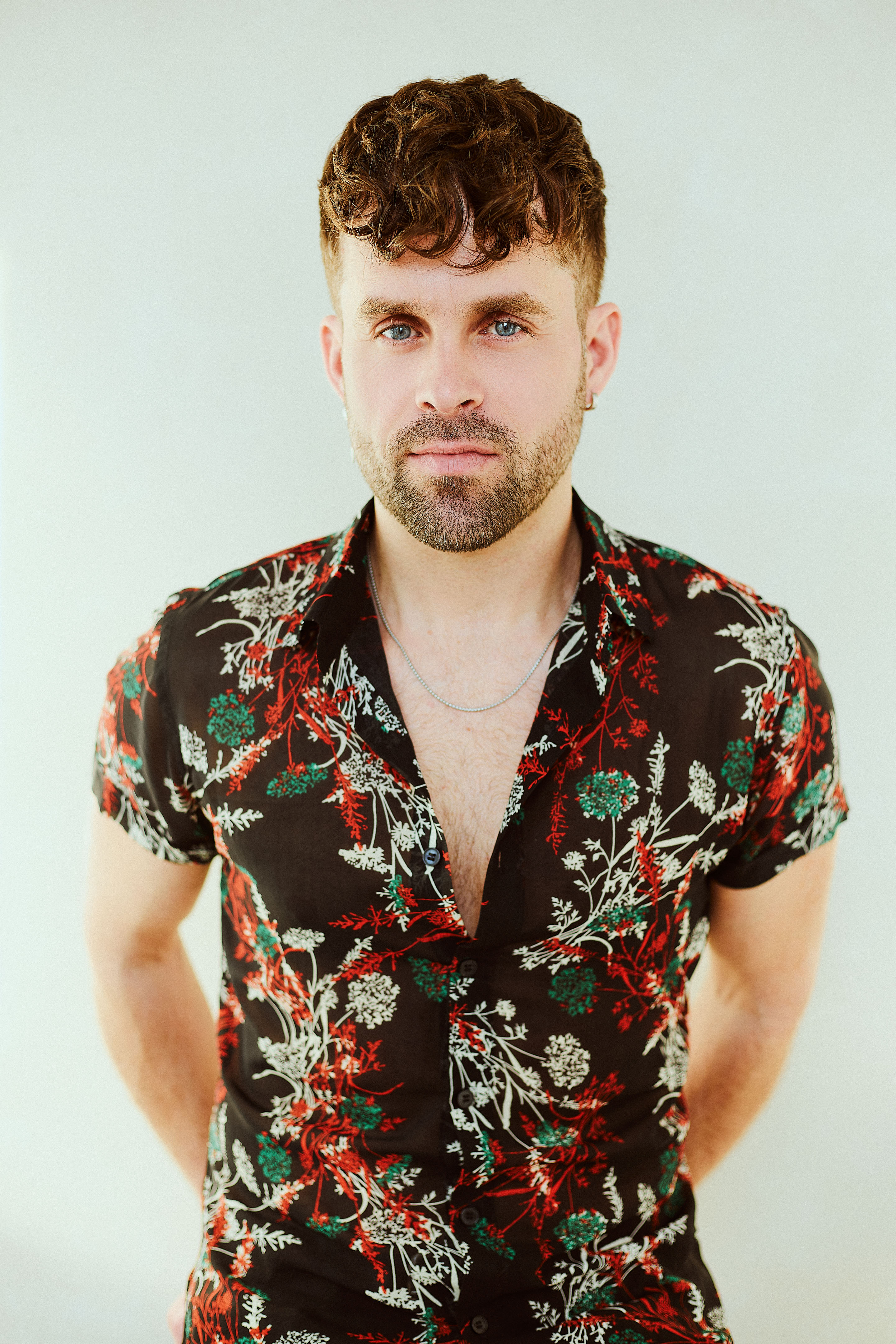
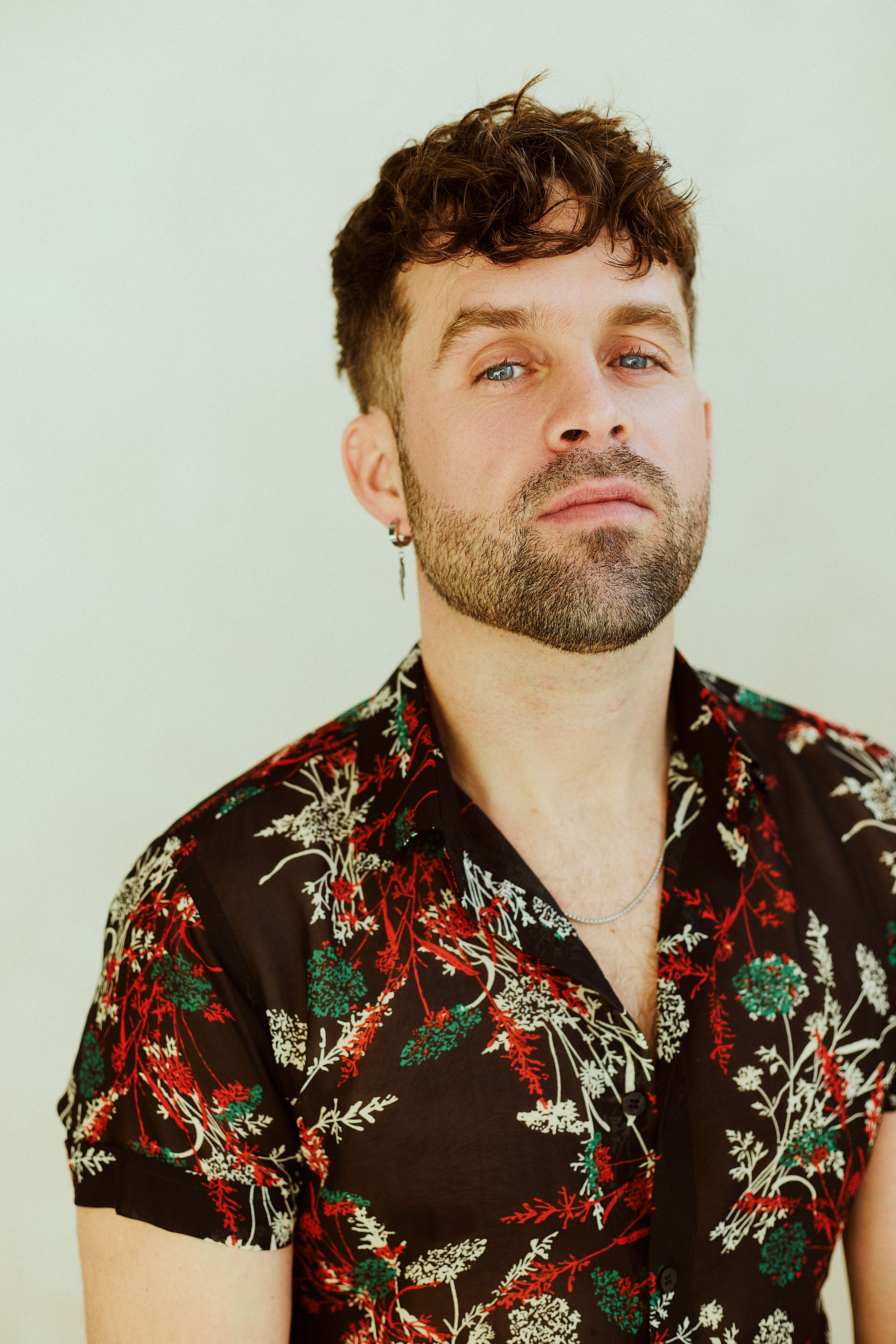
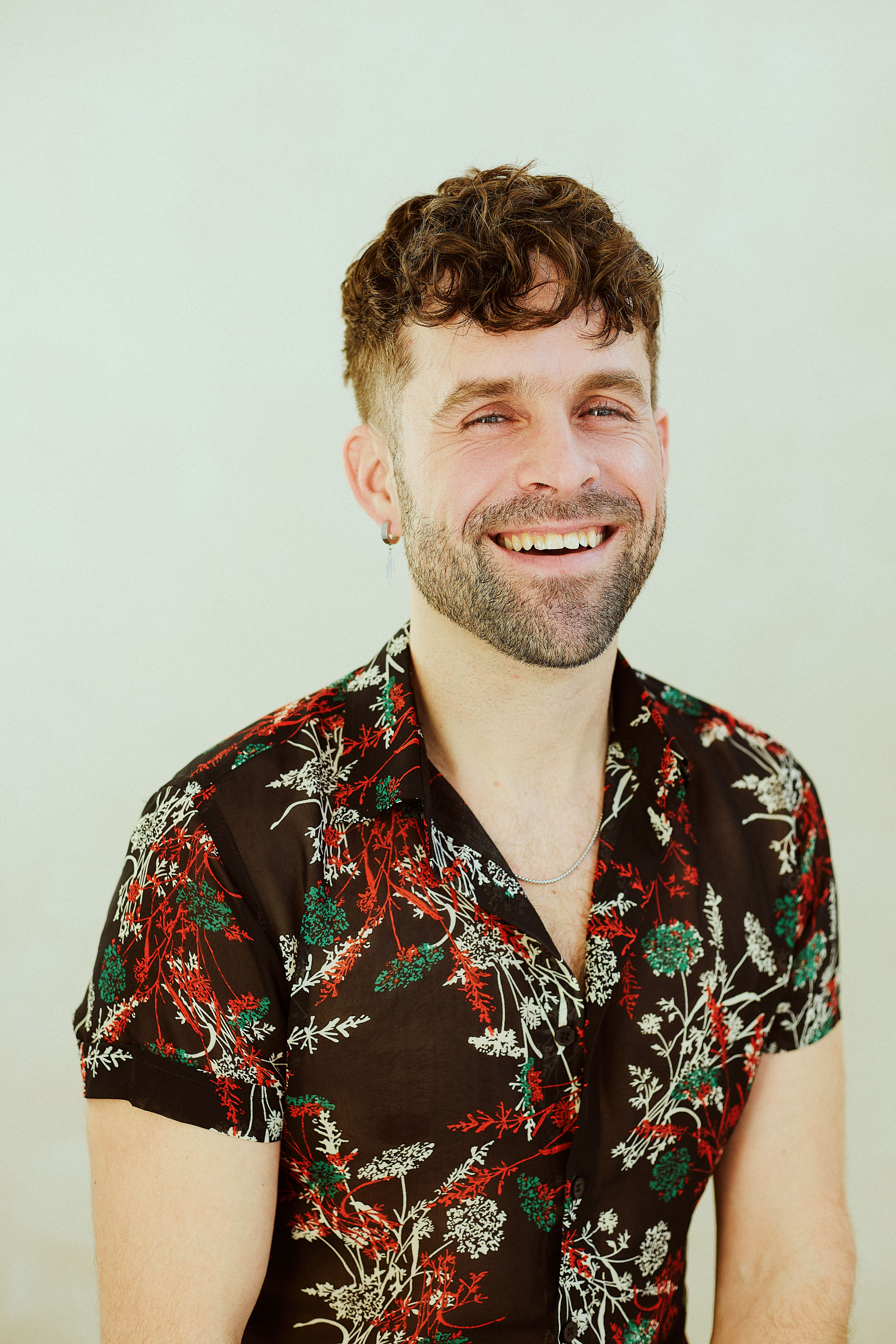
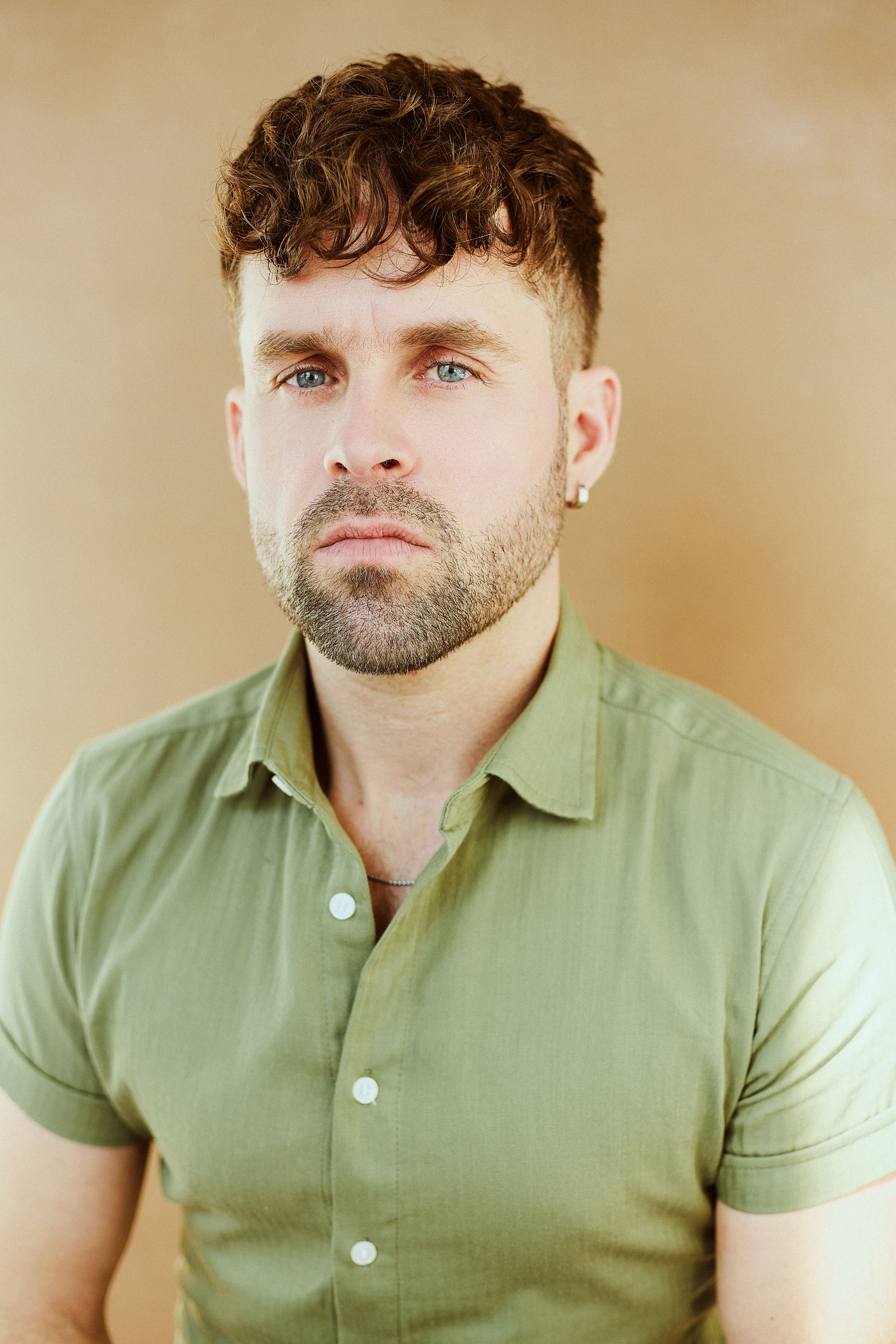
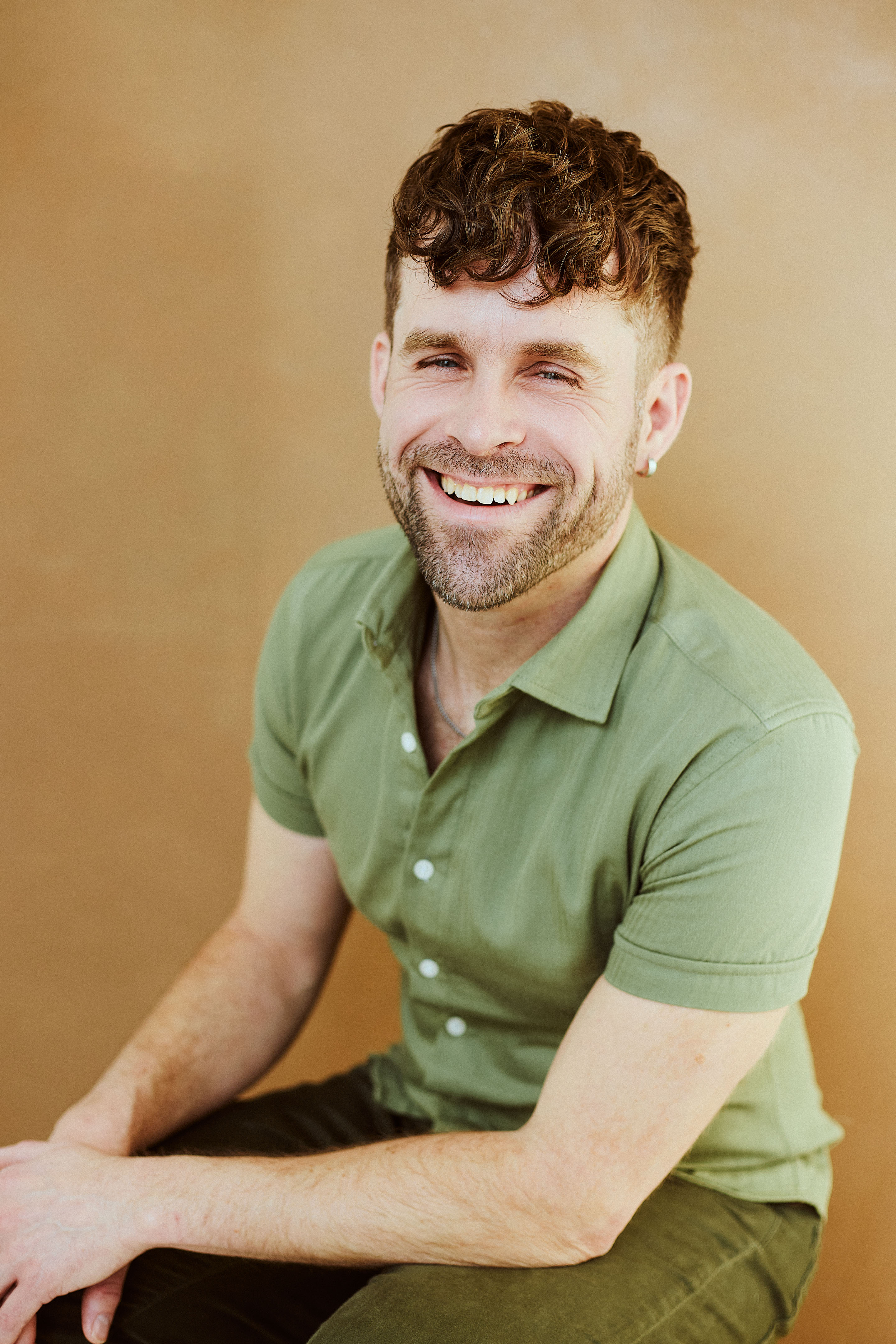
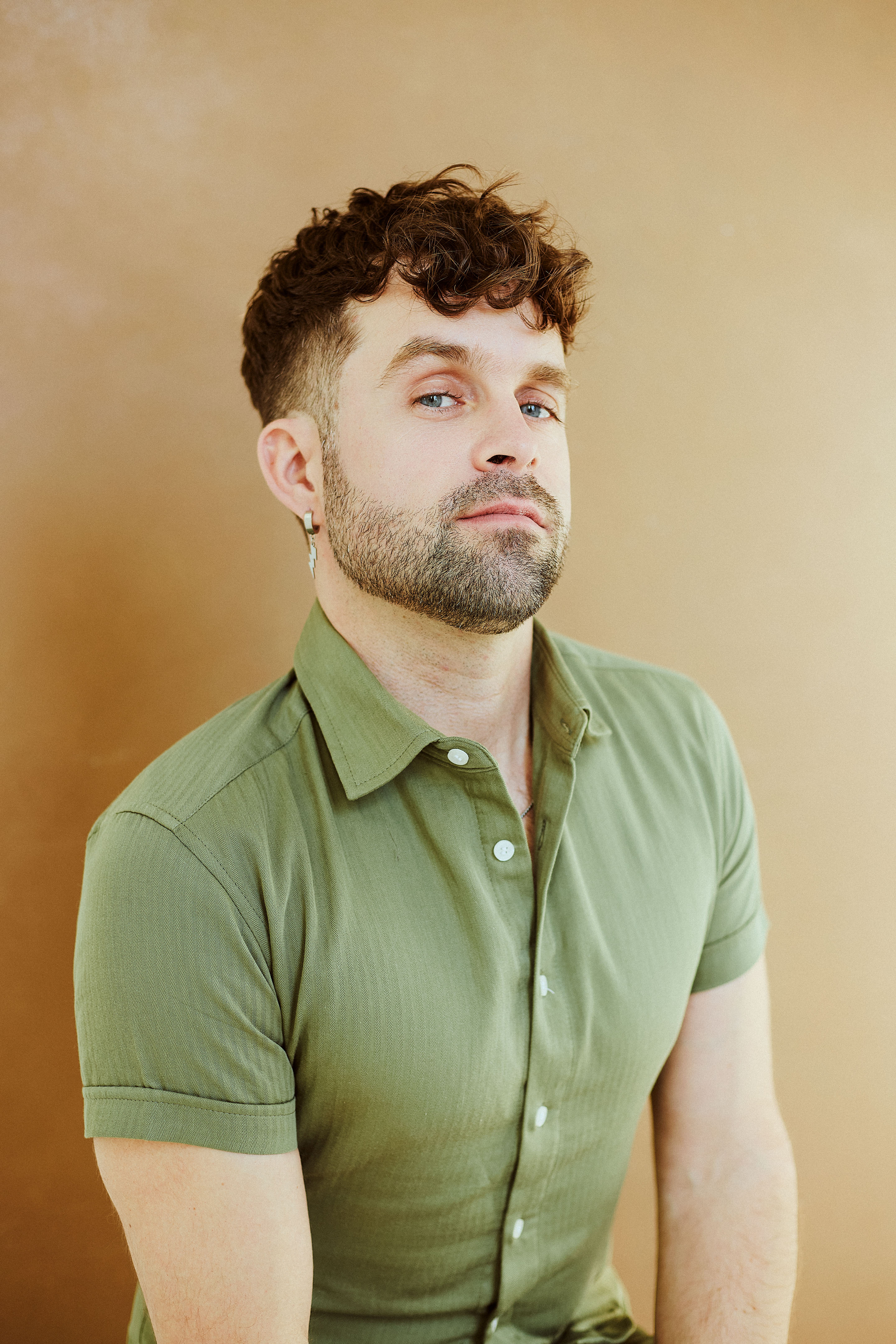
Patrick Giguère is a Montréal-based composer and musician. He creates works ranging from solo performers to orchestra, with a particular interest in long-form projects developed in collaboration with performers. His work regularly incorporates improvisation and explores the fertile space between different approaches to musicking. His music has been performed and recorded by numerous artists and ensembles in Canada, the United States, Brazil, and Europe. He strives to communicate a musical vision that is direct, rich, sensual, intense, and alive. In these troubled times, he believes that artistic practice is more crucial than ever, as it opens up spaces for encounters between people, as well as between rationality and emotion, physicality and spirituality. In his view, art is not a zero-sum game; it finds its fullest meaning when shared. His album Intimes exubérances, recorded with pianist Cheryl Duvall, was released in 2024 on the Redshift label. His music appears on the London Symphony Orchestra's album Panufnik Legacies III, conducted by François-Xavier Roth, on David Brongo's Confluences, and on Raging Against the Machine by Thin Edge New Music Collective. Patrick Giguère is a Montréal-based composer and musician. He creates works ranging from solo performers to orchestra, with a particular interest in long-form projects developed in collaboration with performers. His work regularly incorporates improvisation and explores the fertile space between different approaches to musicking. His music has been performed and recorded by numerous artists and ensembles in Canada, the United States, Brazil, and Europe. He strives to communicate a musical vision that is direct, rich, sensual, intense, and alive. In these troubled times, he believes that artistic practice is more crucial than ever, as it opens up spaces for encounters between people, as well as between rationality and emotion, physicality and spirituality. In his view, art is not a zero-sum game; it finds its fullest meaning when shared. His album Intimes exubérances, recorded with pianist Cheryl Duvall, was released in 2024 on the Redshift label. His music appears on the London Symphony Orchestra's album Panufnik Legacies III, conducted by François-Xavier Roth, on David Brongo's Confluences, and on Raging Against the Machine by Thin Edge New Music Collective. His albums Lui with Paramirabo, on the ATMA Classique label, and Ce qui frémit, on the Ambiances magnétiques label, are forthcoming. In 2022, his collaborative work Émettre un son, vérifier sa propre existence was broadcast by the Canadian Music Centre. Revealing was premiered in 2018 by the London Symphony Orchestra at the Barbican, conducted by Susanna Mälkki. In 2018, he took part in ECM+'s Génération 2018 Canadian tour. His work Le sel de la terre received third prize in the Fondation SOCAN's Serge-Garant Competition in 2015 and was broadcast on BBC Radio 3. In 2016, the Bozzini Quartet premiered Et maintenant in Utrecht as part of the Gaudeamus Festival. He has also worked with numerous other ensembles, including Aventa Ensemble, Nouvel Ensemble Moderne, Birmingham Contemporary Music Group, Exaudi, and Orchestre de la francophonie. He earned a doctorate from the Royal Birmingham Conservatoire in the UK in 2018, following undergraduate and master's studies at Université Laval. During his doctoral research, which was inspired by the concept of duende, he explored spontaneity, authenticity, and physicality within the creative process. Since 2019, collaboration and improvisation have played an increasingly prominent role in his work, particularly following a residency at Vila Sul in Salvador, Bahia, Brazil. In 2025, he completed a postdoctoral fellowship at Université de Montréal and the Centre des musiciens du monde focused on intercultural collaboration, particularly the dialogue between Persian classical music and Western classical music. Following a professional development project in 2022 that took place in Montréal, Ireland, and Wales, Patrick has also become a regular synthesizer player. He participated in the premiere of Nour, by Hooshyar Kahyaan and Elham Manouchehri. His teachers have included Joe Cutler, Howard Skempton, and Éric Morin. He has also worked with Michael Finnissy, Ana Sokolovic, Andrew Toovey, Richard Ayres, Andrew Hamilton, Martijn Padding, Colin Matthews, Karin Rehnqvist, Michel Gonneville, Sydney Hodkinson, George Tsontakis, Gary Kulesha, Chen Yi, Denys Bouliane, and John Rea through workshops and music academies. He has been involved with several organizations dedicated to contemporary music, including Ensemble Lunatik, which he founded in 2010 and where he served as musical and artistic director until 2014; Erreur de type 27, where he was artistic director from 2013 to 2015; Codes d'accès, where he served as executive director from 2018 to 2019; and the Festival international de musique actuelle de Victoriaville, where he was administrative co-director from 2019 to 2021. He is now an independent composer and musician. For as long as I can remember, I felt a kind of discomfort, an insatisfaction, towards the tangible reality of the world. It took me years of travels, books and impactful encounters to understand where it was coming from, that I was not alone in feeling this and to accept it would not leave me anytime soon. This feeling that something was missing not only came from the fact that I didn’t fit in, but also from the fact that my society, Québec, in North American, in the 21st century, had stop to marvel, had capitulated in front of practical and financial concerns, had decided that existential questions were too complicated to bother with, and that all dimensions of life could be expressed in a spreadsheet. My need to create is a direct answer to this. I need, through my musical activities, to confer to my experience of reality, and to those who play and listen to my music, a healthy dose of beauty, poetry and magic. I’m trying to fill the void with gorgeous sounds, melodies, harmonies, shared experience, intensity and complicity. I refuse the idea that everything of value should be measurable and optimizable. Some experiences are precious precisely because they escape these materialistic logics. For me, creating is about learning to inhabit the world and perceive the magic that has been made invisible by habits, conventions and the precarity of our lives. As years go by, I trust my sensibility more and more to guide me during my creative process. I try to explore freely, searching for my own wonderment, for this powerful feeling of freshness, which I then cultivate organically and communicate, in the most intense and direct way possible, to the performers and listeners of my music. It is an intimate process that triggers a lot of self awareness and doubt but that teaches me a lot. When I compose, I have to constantly answers what on the surface seems solely musical, but which in reality is deeply intertwined with my personal life and life in general : According to which values did I made this decision ? Where am I going ? Where am I coming from exactly ? What am I trying to do here, to share ? For me music lives on stage, through the body of musicians, and it tastes so much better when it is shared. That is why I am making more and more space to the immediacy of improvisation in my practice, why I try to think in terms of moving bodies instead of notes on a page and why I cultivate collaboration with performers when I compose. I have found it has a direct impact on the intensity and humanity of the performances of my music. I write for human beings, I trust them and I am not trying to control everything. Improvising means accepting that we cannot know everything in advance, making ourselves available to whatever may arise, and trusting our collective ability to give shape to the unexpected. In this era of powerful upheavals, I am convinced that the role of artists in society is more important than ever, that the solutions to the challenges of the 21s century will not only be scientific and economic; we will need to convince, to gather and to rally around a common purpose. This is what artists can contribute to. They have the special ability to navigate between different social realities that allows them to understand opposing points of view, to be aware of the preconceptions and particularities of their own culture and to grasp what unites people. Each kind of music, each musical tradition carries a set of values and a specific way in which people interact with each other. Each musical manifestation embodies an idealized version of a society. Against a logic in which one person's gains necessarily come at the expense of others, I believe in the possibility of creating experiences in which each person's enrichment contributes to everyone's. Music reminds us that we can create something together that none of us could have accomplished alone, without having to erase our differences in order to do so. Furthermore, music has the power to make the trivial present into a special, sacred moment, to touch and bring people together. It is an artist’s bread and butter to think outside the box, to do a lot with very little, to reinvent social realities and to build tomorrow’s society.
- « On a entendu une musique déployée comme des mouvements de marées, avec des épisodes ascendant, très lentement sur de longues notes soutenues, vers des moments plus actifs et puissants (mais très raisonnablement. Rien de tonitruant ici), puis décroissants. Un mélange de drone et d’ambient. C’est dans le premier tiers de la pièce que j’ai eu le plus de plaisir, particulièrement au premier maximum ‘’maréal’’, là ou le synthétiseur de Daniel Áñez semble émerger des profondeurs aquatiques pour clapoter subtilement en accompagnant la viole qui se fait elle aussi plus bouillonnante. » - PanM360, 2026-10-05 - « 4/5 : As a whole, the album makes compelling listening, with Duvall and Giguère deserving equal praise for its success. » - All About Jazz, 2024-07-18 - « Patrick Giguère’s “Laisser Surgir” opens the listen with the warm vibraphone making for a reflective and soothing tone of beauty. » - Take Effect Reviews, 2024-07-08 - « The thorny four-part epic churns through changing dynamics, and its execution here relies heavily on sustain, as the overtones from densely jagged phrases pile up. It’s as if the piano is kicking up its own thick cloud of dust, forcing it to find its way forward through an obscured pathway. At the same time “Intimes exubérances” is a work of impressive clarity, and when the swirl of overtones subside, Duvall delivers knotty passages with dazzling precision and force. As the title suggests, the music moves between stretches of hazy introspection and muscular energy, but each seems to grow out of each other in the most organic, fluid manner—a steady stream of change beautifully realized by Duvall. » - Bandcamp Daily, 2024-05-07 - « Le verbe musical de Giguère est florissant et s’étale dans l’espace en gerbes colorées. Intimes exubérances est une seule œuvre divisée en quatre mouvements totalisant presque une heure de musique. Le fait que Giguère maintienne l’intérêt tout du long est en soi un indicateur de la qualité et de la réelle originalité de cette partition dont l’énergie déployée, mais contenue, correspond parfaitement au titre. » - PanM360, 2024-04-30 - « The music almost defies description and needs to be experienced, but it is fair to use descriptives like unsettled, restless, introspective, pensive, prayerful, hopeful and promising. Apologies for the lack of details, but I am left rather speechless by this album. It is a sonic journey of the mind that » - The Intelligencer, 2024-04-25 - « L’édition 2018 débutait donc par L’inévitable idéalisme de Patrick Giguère, une œuvre aux effluves quelque peu romantiques, mais avec une inspiration toute contemporaine, ne serait-ce que par ses questionnements et ses introspections. La forme et le déploiement de cette pièce en sont les plus grandes réussites : les premiers gestes sonores étant obscurs, imprécis, maladroits et clopinant, parsemés d’accords de toute sorte au piano, et qui finissent par s’unifier, se construire, s’ordonner, se diriger vers un déploiement plus ample, vers un geste plus affirmé, une construction plus sûre et convaincante. Ce n’est certes pas un développement classique, mais le parcours se dessine avec conviction (celle de l’idéaliste) et se dirige vers une forme de fatalité (l’« inévitable » du titre !). L’œuvre permet de créer une tension sublime et absorbe l’auditeur jusqu’à sa fin, aussi abrupte qu’inévitable. » - Cette ville étrange, 2018-11-11 - « Fragmented motifs repeatedly echoed in a colourful backdrop of a bell-rung texture, as the music shimmered from its angular inception. “Understatement and touching modesty” was the composer’s description of the piece, and indeed the work was less intended for theatrics than a scene of motions. A somewhat accessible piece, it had a feel of an exposition of a lengthier work, however; certainly the work betrayed the physicality of Feldman’s calm monumentalism in its abrupt conclusion after approximately 6 minutes. » - Bachtrack, 2018-04-16 - « Indeed his music doesn’t sound quite likeanyone else’s. [...] There is little dynamic contrast, just a modest increase in volume as fractured, surprisingly tonal ideas pulse gently towards fulfillment. The sonority is impressive with increasingly warm textures flecked by bells and rippling low-decibel timpani. » - Classical Source, 2018-04-15 - « Patrick Giguère’s work is full of intensity, ornamentation and a thirst for discovery, gleefully indulging in the allure of the non-tempered scale while plunging into the heart of the physical phenomenon of sound. » - La Scèna Musicale, 2017-09-01

|
|||||||||

| © 2023, Patrick Giguère, Copyright |
- Contact - Canadian Music Center, for score |

|

|

|